Brewing Masterpieces: Exploring The Artistry Of Pour-Over Coffee And Espresso
In the world of coffee, two brewing methods stand out as the ultimate expressions of artistry and craftsmanship: pour-over coffee and espresso. Each of these methods requires a deep understanding of technique, precision, and, above all, a passion for producing the perfect cup. While both methods have their own dedicated following, they share a common thread: the belief that coffee is more than just a drink—it is an experience.

This article will dive deep into the techniques, principles, and art behind both pour-over coffee and espresso, providing a comprehensive guide to understanding their nuances and perfecting your approach. Whether you’re a home enthusiast or a professional barista, this exploration will enhance your appreciation for these two iconic brewing methods.
Pour-over coffee and espresso differ significantly in caffeine content due to their brewing methods, grind size, and serving volume. Espresso is a concentrated shot of coffee, typically brewed in 25–30 seconds using finely ground beans and high pressure. A single shot of espresso (about 1 ounce or 30 ml) contains roughly 63 mg of caffeine. Despite its small size, it is quite potent. However, because of the serving size, it delivers less total caffeine than a standard pour-over coffee.
Pour-over coffee is brewed using a slower method, typically with medium grind size and hot water poured over the grounds in stages. This method extracts caffeine more gradually, often producing an 8-ounce (240 ml) cup containing approximately 80–120 mg of caffeine, depending on the bean type, roast level, and brew ratio. Therefore, while espresso has more caffeine per ounce, pour-over offers a higher total caffeine content per serving.
To better estimate and compare the caffeine levels in your cup, a caffeine calculator can be extremely helpful. This tool allows you to input variables such as brew method, coffee weight, serving size, and bean type to get a more accurate caffeine measurement. Since both pour-over and espresso vary depending on how they are prepared, the caffeine calculator provides personalized insights.
Additionally, light-roast beans tend to have slightly more caffeine than dark-roast beans, regardless of the brew method, because caffeine content is preserved better in lighter roasts. Espresso often uses darker roasts, which may slightly reduce caffeine content per bean but still delivers intensity due to concentration.
In summary, pour-over coffee generally provides more caffeine per cup, while espresso offers a more concentrated dose. Using a caffeine calculator can help coffee enthusiasts measure and manage their intake based on personal preferences and brewing methods.
1. Pour-Over Coffee: A Slow and Steady Art
The Fundamentals of Pour-Over Brewing
Pour-over coffee is often associated with a hands-on, methodical process that allows the brewer to have complete control over the extraction. The technique involves pouring hot water over freshly ground coffee, with the goal of evenly extracting the coffee’s solubles, producing a clean and aromatic cup.
Tools You Need
To brew pour-over coffee, you’ll need:
A gooseneck kettle for precise water pouring
Freshly ground coffee (preferably medium to medium-fine grind)
A scale for accurate measurements
Filtered water (preferably heated between 195°F–205°F, or 90°C–96°C)
Paper filters or reusable filters (depending on your dripper choice)
The Process
Boil and Let Water Cool: Begin by boiling water and allowing it to cool slightly, reaching the optimal brewing temperature (195°F–205°F or 90°C–96°C). Too hot, and you’ll over-extract; too cold, and the coffee will taste weak.
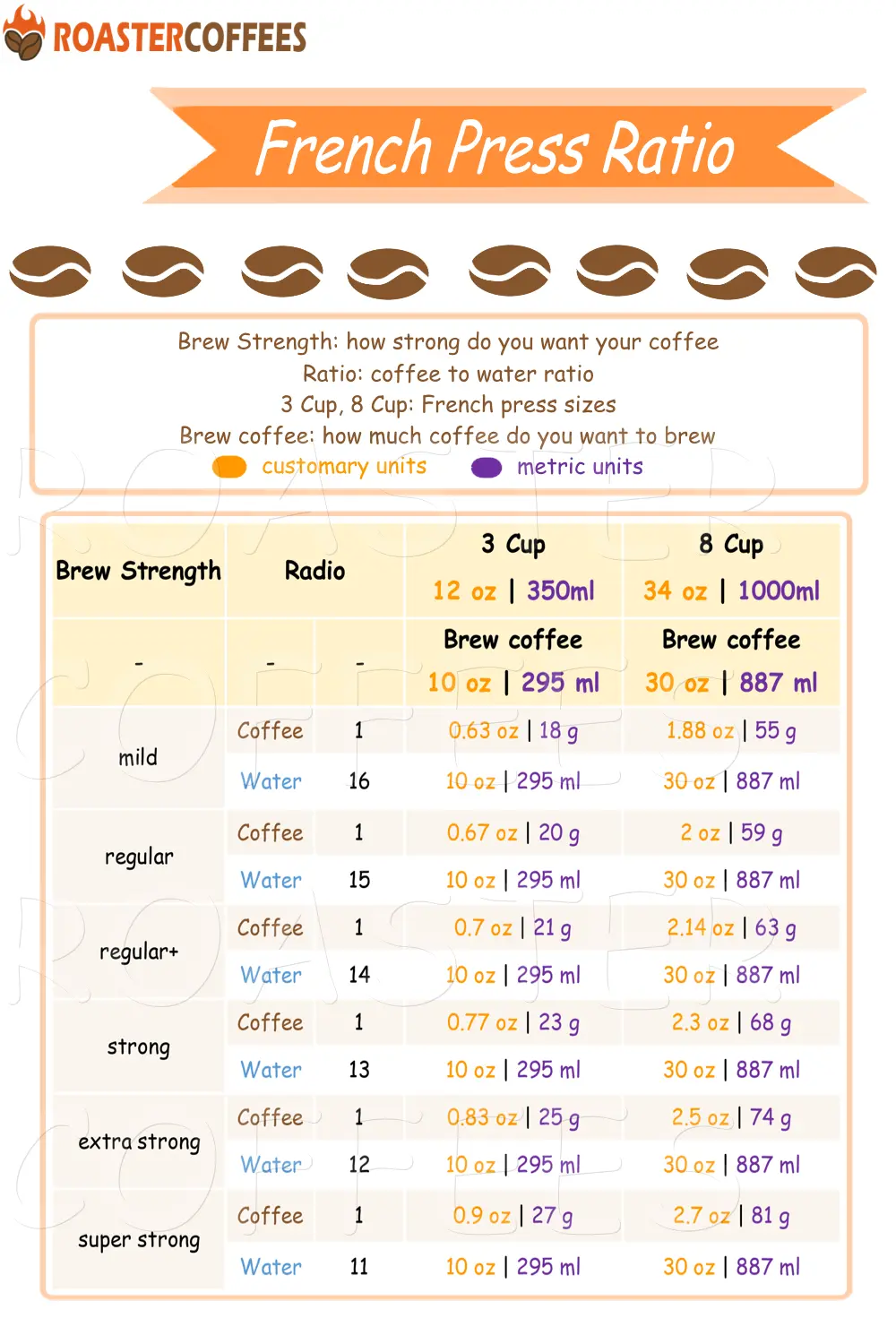
Weigh and Grind: Weigh out the coffee beans (typically 1:15 coffee-to-water ratio is a good starting point).
Add Coffee Grounds: Add the ground coffee into the filter, ensuring it is leveled.
Bloom: Begin your pour by adding just enough water (about 30-40 grams) to wet all the grounds evenly. Let it sit for 30-45 seconds. This step, known as blooming, allows carbon dioxide (CO2) to escape, improving the overall extraction.
Pouring Technique: After the bloom, continue pouring in a slow, circular motion, starting from the center and moving outward. Pour in stages, giving the water time to permeate and extract flavors from the coffee grounds.
The Art of the Pour
The beauty of pour-over coffee lies in the brewer’s control. The speed, angle, and motion of the pour all contribute to the final flavor profile. A slow, steady pour ensures even saturation and extraction, while a quick, erratic pour may result in uneven extraction and undesirable flavors.
The shape of the coffee bed in the filter also plays a role. A flat, even bed promotes balanced extraction, while an uneven bed can lead to over-extraction in some areas and under-extraction in others. Mastering the pour-over process requires a balance of patience, precision, and practice.
2. Espresso: The Intensity of Pressure and Precision
Espresso is the backbone of many coffee beverages, from lattes to cappuccinos, and its rich, bold flavor is a result of a finely tuned brewing method. Espresso brewing uses high pressure to extract concentrated coffee from finely ground beans, creating a cup that is more intense and full-bodied than pour-over coffee.
The Fundamentals of Espresso Brewing
Espresso brewing is a delicate process that involves forcing hot water through finely-ground coffee at a pressure of 9 bars. This creates a small, intense shot of coffee with a rich crema on top, which is considered the mark of a well-brewed espresso.
Tools You Need
To make espresso, you’ll need:
An espresso machine (manual, semi-automatic, or fully automatic)
A high-quality burr grinder (capable of producing a fine, consistent grind)
Freshly roasted coffee beans
A tamper (for compressing the coffee grounds evenly)
A scale for precise measurements
Filtered water (important for maintaining the taste and longevity of the espresso machine)
The Process
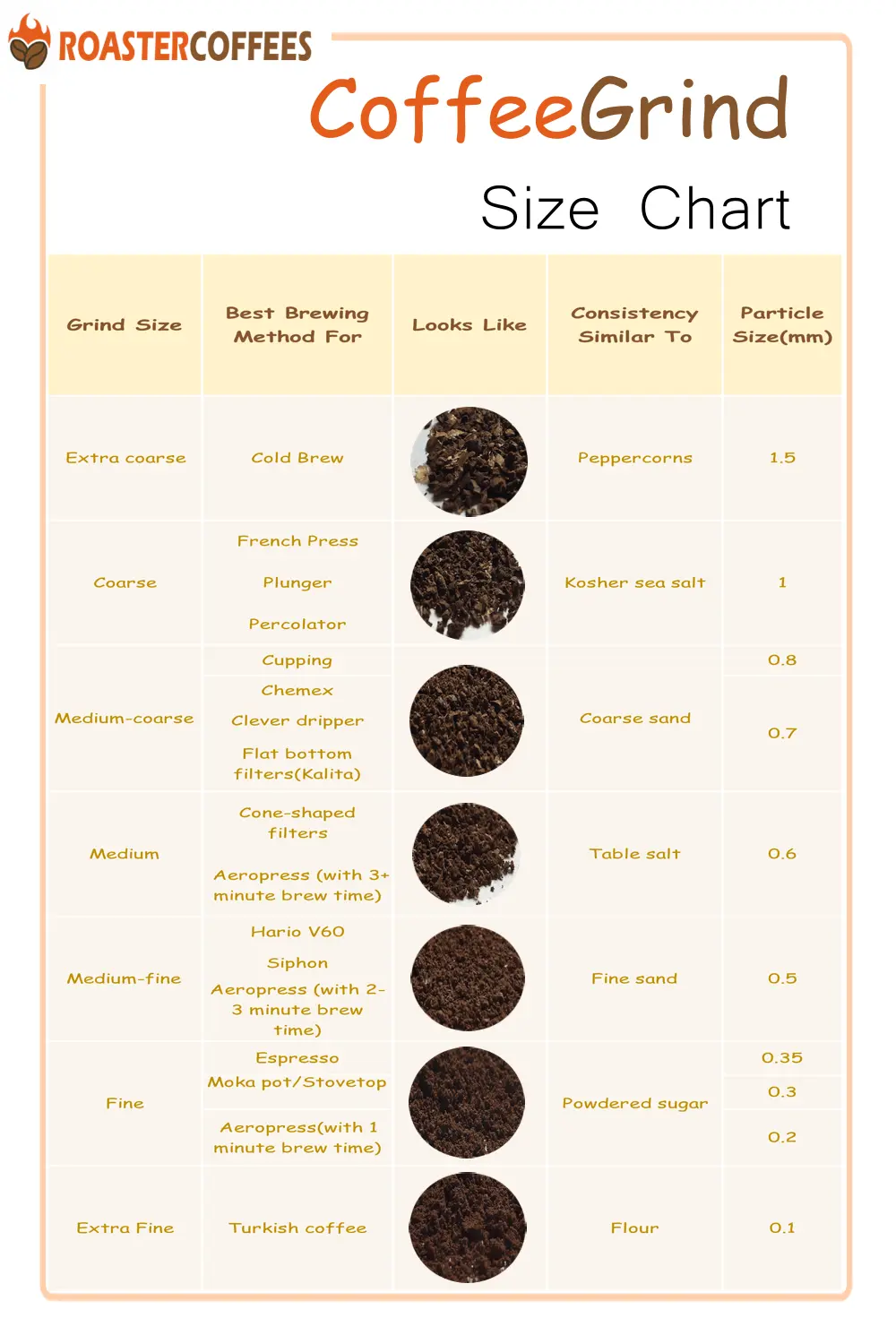
Grind the Coffee: Espresso requires a very fine grind—similar to table salt or powdered sugar. Too fine, and the water struggles to pass through, leading to over-extraction and bitterness.
Preheat the Machine: Ensure the espresso machine is preheated by running a shot of water through the group head before brewing. This ensures consistent temperature throughout the process.
Weigh and Dose the Coffee: Typically, a double shot of espresso requires about 18–20 grams of coffee, but this can vary depending on the size of your portafilter and the roast profile.
Tamp the Grounds: After dosing, use a tamper to compress the coffee grounds evenly and firmly. An uneven tamp can lead to channeling, where water flows unevenly through the coffee, resulting in an imbalanced extraction.
Brew the Espresso: Lock the portafilter into the machine, start the brew, and watch the magic unfold. A well-pulled espresso should take around 25–30 seconds to extract. The resulting shot will be about 1 ounce (30 milliliters) for a single shot, or 2 ounces (60 milliliters) for a double shot.
The Art of Espresso
Espresso brewing, much like pour-over, is as much an art as it is a science. A skilled barista is able to adjust each element to achieve the perfect balance, extracting the sweet, nutty, and caramelized flavors while avoiding bitterness.
While espresso brewing is faster than pour-over, it requires greater precision. Even slight variations in grind size, tamping pressure, or water temperature can drastically affect the shot. This precision is what makes espresso such a revered method in the coffee world.
3. Comparing Pour-Over Coffee and Espresso
While both pour-over and espresso are revered for their ability to showcase the complexities of coffee, they each offer distinct experiences. Let’s compare the two methods across several key factors:
Flavor Profile
Pour-Over Coffee: Known for its clarity and brightness, pour-over coffee tends to highlight the unique characteristics of the beans, such as fruitiness, floral notes, and subtle acidity.
Espresso: Espresso is characterized by its richness and intensity. The high pressure used in brewing extracts oils and sugars from the coffee, resulting in a full-bodied, concentrated shot. While espresso may have a less diverse flavor profile than pour-over, its strength and crema provide a unique, bold taste.
When brewing pour-over coffee and espresso, the grind size plays a crucial role in the extraction process and overall taste. For pour-over coffee, a medium grind is typically recommended. This grind resembles sea salt and allows for a steady extraction over the course of several minutes. A medium grind size ensures that water can flow through the grounds evenly, extracting flavors without over-extracting, which can result in bitterness. Too fine a grind will slow down the brew and may lead to an overly bitter taste, while too coarse a grind might under-extract the coffee, leading to a weak cup.
On the other hand, espresso requires a fine grind, almost powdery in texture. This fine grind is essential for the pressurized brewing process of espresso machines, which forces hot water through the packed grounds quickly, extracting the rich, concentrated flavors. If the grind is too coarse, the water will flow through the coffee too quickly, resulting in a weak and under-extracted shot. Conversely, if the grind is too fine, the water might struggle to pass through, causing over-extraction and bitterness.
A Coffee Grind Size Chart can be an invaluable resource when deciding the right grind size for various brewing methods. By using a grind size chart, you can ensure that your pour-over and espresso brewing produces the desired flavors and caffeine extraction.
Body and Mouthfeel
Pour-Over Coffee: The mouthfeel of pour-over coffee is typically lighter, with a clean, crisp finish. The slower brewing process allows for an even extraction, resulting in a bright, refreshing cup.
Espresso: Espresso has a thicker, more velvety body due to the emulsified oils in the coffee.
Brewing Time
Pour-Over Coffee: Brewing a pour-over typically takes 3–4 minutes, depending on the method and volume. The process is relatively slow and deliberate, allowing you to enjoy the ritual of brewing.
Espresso: Espresso is much faster, with an ideal extraction time of 25–30 seconds. This speed is one of the reasons espresso is often the base for other drinks like lattes and cappuccinos.
Equipment and Skill
Pour-Over Coffee: Requires minimal equipment but demands precision and control. The skill in pour-over brewing lies in managing the pour technique, timing, and water temperature.
Espresso: Requires more sophisticated equipment and higher skill levels. A well-calibrated espresso machine, grinder, and consistent tamping technique are essential for pulling a good shot.
Cultural Context
Pour-Over Coffee: Popular in Japan and the United States, pour-over coffee is often associated with specialty coffee culture and is a preferred method for those who appreciate the subtle nuances of single-origin beans.
Espresso: Originating in Italy, espresso is the foundation of Italian coffee culture. It is consumed quickly and is the base for many coffee drinks like cappuccinos, lattes, and macchiatos.
4. Conclusion: The Beauty of Craft Coffee
Whether you’re drawn to the delicate, flavorful clarity of pour-over or the bold, concentrated richness of espresso, each method offers its own charm and rewards.
In the end, the choice between pour-over and espresso comes down to personal preference and the kind of coffee experience you seek. Whether you’re looking for a meditative brewing ritual or a fast, intense shot of coffee, both methods offer an opportunity to appreciate the artistry behind every cup.
So, whether you’re mastering the pour or perfecting the shot, the world of specialty coffee is always there to explore—one brew at a time.
References:
Coffee and Beer: A Deep Dive Into the Fusion of Two Iconic Brews
Paper Filters vs. Permanent Filters: Choosing the Right Tool for Your Perfect Brew