Cold Brew vs. Regular Coffee: A Technical and Sensory Exploration of Two Brewing Paradigms
Coffee, as both a daily ritual and a subject of technical refinement, offers a remarkable range of expressions depending on how it is prepared. Among the most commonly discussed distinctions in modern coffee culture is the difference between cold brew coffee and what is often referred to as 'regular coffee'—a category that typically includes hot brewing methods such as drip, pour-over, and immersion techniques like the French press.

While both beverages originate from the same raw material—roasted coffee beans—their differences are not superficial. They represent fundamentally distinct extraction philosophies, each governed by unique variables in temperature, time, solubility, and chemical composition. These differences manifest not only in flavor but also in caffeine content, mouthfeel, acidity, and even shelf stability.
The coffee grind sizes for regular coffee and cold brew differ significantly due to their distinct brewing methods and extraction times. Understanding these differences is essential for achieving balanced flavor, and a coffee grind size chart is a helpful guide for selecting the correct setting.
For regular coffee, especially drip or pour-over methods, a medium grind is typically ideal. This grind size resembles granulated sugar and allows water to flow through the coffee bed at a controlled rate. Proper flow ensures even extraction, producing a balanced cup with good clarity, mild acidity, and smooth body. If the grind is too fine, it can slow down water flow and lead to bitterness; if too coarse, the result may be weak and under-extracted.
In contrast, cold brew coffee requires a coarse grind, often compared to sea salt or raw sugar. Because cold brew involves steeping coffee in water for 12 to 24 hours, a coarse grind slows extraction and prevents excessive bitterness. It also reduces sediment, resulting in a cleaner, smoother beverage.
On a coffee grind size chart, regular coffee sits in the middle range, while cold brew is positioned at the coarser end. Matching grind size to the brewing method ensures proper extraction, helping you achieve consistent flavor whether brewing a hot cup or a cold, refreshing coffee concentrate.
This article provides a comprehensive, professional-level analysis of cold brew coffee and regular coffee, examining their differences through the lenses of brewing science, sensory evaluation, and practical application.
1. Defining the Categories: What Is Cold Brew and What Is Regular Coffee?
Before comparing the two, it is essential to establish clear definitions.
1.1 Cold Brew Coffee
Cold brew coffee is produced by steeping coarsely ground coffee in cold or room-temperature water for an extended period, typically ranging from 12 to 24 hours. The extraction process is entirely non-thermal, relying on time rather than heat to dissolve soluble compounds.
The resulting liquid is usually a concentrate, which can be diluted with water, milk, or ice before consumption.
1.2 Regular Coffee
'Regular coffee' is a broad term encompassing any coffee brewed with hot water, typically between 195°F and 205°F (90–96°C). This includes:
- Drip coffee makers
- Pour-over methods (e.g., V60, Kalita Wave)
- French press
- Batch brewers
Unlike cold brew, these methods rely on thermal energy to accelerate extraction, reducing brew time to a matter of minutes.
2. Extraction Science: Temperature vs. Time
The most fundamental difference between cold brew and regular coffee lies in their extraction mechanisms.
2.1 Hot Water Extraction
Hot water increases the solubility of coffee compounds, allowing for rapid extraction of:
- Organic acids (citric, malic, acetic)
- Aromatic compounds
- Lipids and melanoidins
This accelerated extraction produces a complex and dynamic flavor profile within a short time frame—typically 2 to 6 minutes.
2.2 Cold Water Extraction
Cold water, by contrast, has significantly lower solvency. As a result:
- Extraction is slower and more selective
- Fewer acidic compounds are dissolved
- Certain volatile aromatics are less pronounced
The extended steeping time compensates for the lower extraction efficiency, but the resulting chemical profile differs substantially from hot-brewed coffee.
2.3 Extraction Selectivity
Cold brew tends to favor the extraction of:
- Sugars and polysaccharides
- Certain caffeine fractions
- Low-volatility flavor compounds
Meanwhile, hot brewing extracts a broader spectrum of compounds, including those responsible for brightness and acidity.

3. Flavor Profile: Clarity vs. Smoothness
3.1 Cold Brew Flavor Characteristics
Cold brew is often described as:
- Smooth
- Low-acid
- Chocolatey or nutty
- Mildly sweet
The reduced extraction of acidic compounds leads to a softer, less vibrant cup. Bitterness is also typically lower, as many bitter compounds are less soluble in cold water.
3.2 Regular Coffee Flavor Characteristics
Hot-brewed coffee exhibits:
- Higher acidity
- Greater aromatic complexity
- More pronounced origin characteristics
For example:
- Ethiopian coffees may display floral and citrus notes
- Colombian coffees may present balanced acidity and caramel sweetness
3.3 Sensory Trade-Offs
Cold brew sacrifices brightness and aromatic intensity in favor of smoothness and approachability. Regular coffee, by contrast, offers a more complete sensory representation of the bean but requires precise control to avoid imbalance.
4. Caffeine Content: Misconceptions and Realities
A common assumption is that cold brew contains significantly more caffeine than regular coffee. The reality is more nuanced.
4.1 Concentration vs. Serving Size
Cold brew is often prepared as a concentrate with a high coffee-to-water ratio. As a result, undiluted cold brew can contain more caffeine per volume.
However, when diluted to typical drinking strength, caffeine levels are comparable to regular coffee.
4.2 Extraction Efficiency
Hot water extracts caffeine more efficiently than cold water. However, the extended steeping time of cold brew compensates for this difference.
4.3 Practical Conclusion
| Preparation | Caffeine Level |
| :--- | :--- |
| Cold brew concentrate | High |
| Diluted cold brew | Similar to regular coffee |
| Hot coffee | More consistent caffeine extraction |
Thus, caffeine content depends more on preparation method than brewing temperature alone.
5. Acidity and pH: Perception vs. Chemistry
5.1 Measured Acidity
Studies have shown that cold brew and hot coffee may have similar pH levels, meaning their actual acidity is not drastically different.
5.2 Perceived Acidity
Despite similar pH values, cold brew tastes less acidic due to:
- Lower concentrations of certain organic acids
- Reduced presence of volatile compounds that enhance brightness
5.3 Implications
For individuals sensitive to acidity, cold brew may be perceived as gentler, even if the chemical difference is modest.
6. Body and Mouthfeel
6.1 Cold Brew
- Typically fuller-bodied when unfiltered
- Smooth, rounded texture
- Lower perceived sharpness
6.2 Regular Coffee
- Varies depending on method
- Pour-over: clean and light
- French press: heavy and textured
6.3 Filtration Effects
Filter type plays a significant role:
- Paper filters remove oils, producing clarity
- Metal filters allow oils, increasing body
Thus, body is influenced by both brewing method and filtration.
7. Brewing Time and Convenience
| Aspect | Cold Brew | Regular Coffee |
| :--- | :--- | :--- |
| Brew time | 12–24 hours | 2–6 minutes |
| Active effort | Minimal | Active attention |
| Best for | Batch preparation | Immediate consumption |
7.1 Workflow Considerations
Cold brew favors planning and bulk production, while regular coffee supports spontaneity and freshness.
8. Shelf Life and Storage
8.1 Cold Brew Stability
Cold brew can be stored in the refrigerator for up to 7–10 days with minimal flavor degradation.
8.2 Hot Coffee Freshness
Hot-brewed coffee begins to lose aromatic quality within minutes and is best consumed immediately.
8.3 Oxidation
Exposure to oxygen rapidly degrades flavor compounds in hot coffee, whereas cold brew's lower volatility slows this process.
9. Equipment and Accessibility
9.1 Cold Brew Equipment
- Simple containers or dedicated cold brew systems
- Coarse grinder
- Filtration device
9.2 Regular Coffee Equipment
- Wide range of devices (drip machines, pour-over, French press)
- Greater emphasis on precision tools (kettles, scales)
9.3 Cost Considerations
Cold brew setups are generally more affordable and less complex, while high-end hot brewing equipment can be more expensive.
10. Bean Selection and Roast Profile
10.1 Cold Brew Preferences
- Medium to dark roasts
- Chocolate, nut, and caramel profiles
These flavors remain prominent even with reduced acidity.
10.2 Regular Coffee Preferences
- Light to medium roasts
- Emphasis on origin characteristics
Hot brewing highlights nuanced flavors that would be muted in cold brew.
11. Dilution and Customization
11.1 Cold Brew Flexibility
Cold brew concentrate can be diluted with:
This allows for easy customization of strength and flavor.
11.2 Regular Coffee Limitations
Hot coffee is typically brewed to final strength, with limited post-brew adjustment.
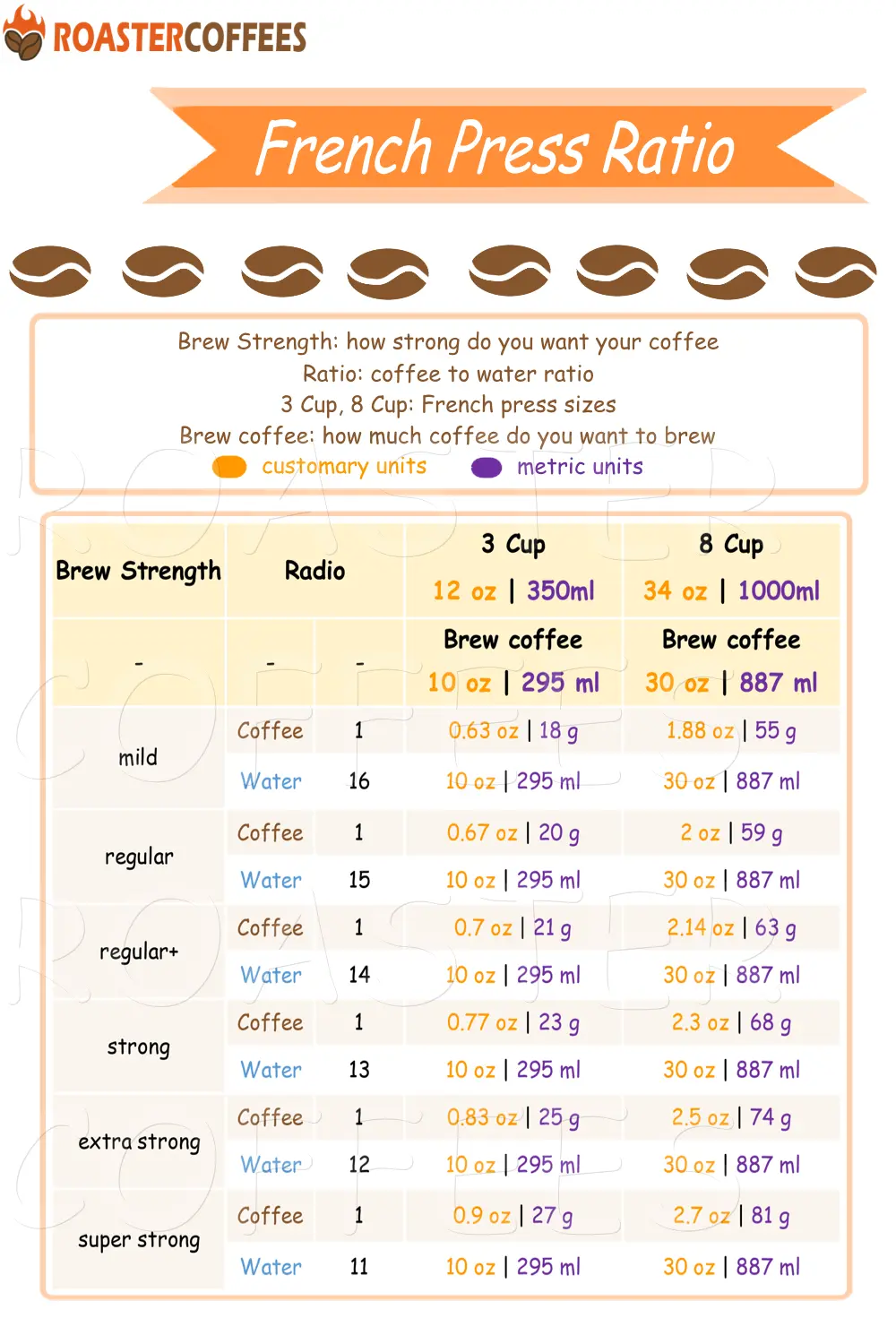
The caffeine content of regular coffee versus cold brew differs mainly due to brewing method, extraction time, and concentration. Regular coffee, such as drip or pour-over, typically contains 80–120 mg of caffeine per 8-ounce cup. It is brewed with hot water over a short period (3–5 minutes), allowing efficient but controlled extraction of caffeine and other compounds.
In contrast, cold brew coffee is steeped in cold water for 12–24 hours, which results in a slower but often more concentrated extraction. Cold brew is frequently prepared as a concentrate using a higher coffee-to-water ratio. As a result, an 8-ounce serving of cold brew can contain 100–200 mg of caffeine, depending on dilution. If consumed undiluted, the caffeine content may be significantly higher than regular coffee.
Despite its higher caffeine potential, cold brew often tastes smoother and less acidic, which can mask its strength and lead to increased consumption. Regular coffee, on the other hand, may taste stronger due to heat-extracted bitterness, even if it contains less caffeine overall.
Because of these variations, a caffeine calculator is an essential tool for accurate comparison. By factoring in brew ratio, serving size, and dilution, a caffeine calculator helps determine the true caffeine content in both regular and cold brew coffee, allowing for better control over daily intake.
12. Nutritional and Health Considerations
12.1 Antioxidants
Both methods retain beneficial compounds such as antioxidants, though their concentrations may vary.
12.2 Digestibility
Cold brew is often perceived as easier on the stomach due to its smoother flavor profile.
12.3 Additives
Cold brew's mildness often encourages the addition of sweeteners or milk, which can affect overall nutritional value.
13. Environmental and Efficiency Factors
13.1 Energy Use
- Cold brew: Minimal energy (no heating required)
- Regular coffee: Requires electricity or gas for heating
13.2 Coffee Usage
Cold brew often requires a higher coffee-to-water ratio, potentially increasing bean consumption.
14. When to Choose Cold Brew vs. Regular Coffee
14.1 Choose Cold Brew If:
- You prefer low-acid, smooth coffee
- You want a ready-to-drink option over several days
- You enjoy iced coffee without dilution
14.2 Choose Regular Coffee If:
- You value aromatic complexity and brightness
- You want immediate freshness
- You enjoy experimenting with brewing variables
Conclusion: Two Methods, Two Philosophies
Cold brew and regular coffee are not simply variations of the same beverage—they are distinct expressions of coffee extraction.
- Cold brew emphasizes time, smoothness, and stability, offering a mellow and accessible profile that suits batch preparation and convenience.
- Regular coffee, in contrast, prioritizes temperature, complexity, and immediacy, delivering a vibrant and nuanced sensory experience that reflects both origin and technique.
For the professional coffee practitioner, understanding these differences is essential not only for brewing but also for guiding consumer preferences and optimizing flavor outcomes. Neither method is inherently superior; each serves a specific purpose within the broader spectrum of coffee preparation.
Ultimately, the choice between cold brew and regular coffee should be informed by context, preference, and desired sensory experience. Mastery lies in recognizing how each method transforms the same raw ingredient into a fundamentally different cup—and leveraging that transformation with intention.
References:
Peruvian Coffee: Origins, Terroir, and the Rising Influence of the Andes
The Processing Differences Between Commercial Coffee and Specialty Coffee